KHAIRUN CENTER FOR INDIGENOUS KNOWLEDGE SYSTEM (KCIKS)
The KHAIRUN Centre for Indigenous Knowledge Systems (KCIKS) is a research, innovation, and cultural heritage hub under Khalifa Isyaku Rabiu University, Kano. The Centre is dedicated to preserving, promoting, and integrating indigenous knowledge and practices into contemporary education, research, and development efforts.
We focus on engaging communities, documenting traditional wisdom, and creating platforms that highlight the value of indigenous knowledge in fostering sustainable solutions for societal challenges and economic development.
Vision
To be a leading hub for the preservation, promotion, and integration of indigenous knowledge systems, fostering cultural pride, economic growth and sustainable development for future generations.
Missions
Document, preserve, and promote indigenous knowledge practices across diverse communities.
Facilitate research, education, and innovation by integrating traditional wisdom with modern science.
Engage and empower indigenous custodians, ensuring their knowledge is valued, sustained and protected through intellectual property laws.
Create platforms for showcasing indigenous skills, crafts, and products locally and globally.
Core Objectives
Promote indigenous knowledge through research, innovation and policy advocacy.
Harness the power of IKS to develop innovative products and services for economic growth
Organize symposiums, exhibitions, and training workshops.
Sensitize the community of indigenous knowledge practitioners for improved service delivery.
Collaborate with local and international institutions for exchange of indigenous knowledge.
Develop digital platforms for documentation and access to indigenous knowledge.
Facilitate the economic growth of indigenous knowledge practitioners.
Key Activities
Sensitization symposiums: Bringing together traditional practitioners and modern experts to share knowledge.
Documentation Projects: Recording and archiving traditional practices such as herbal medicine, dyeing, fishing, and traditional health therapies.
Exhibitions: Showcasing indigenous crafts, tools, and innovations.
Capacity Building: Training indigenous practitioners on modern techniques, business development, technology integration and protection of their intellectual property.
Project and achievements by the Center
Traditional practitioners overview
LOCAL PHYSIOTHERAPISTS (DORIN KASHI/KARAYA)
Providers of traditional treatments for bone fractures, dislocations, and joint pain using massage, splints, and herbal applications.
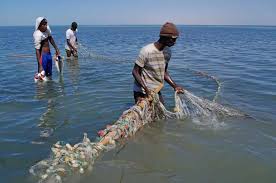
LOCAL FISHERMEN (MASUNTA)
Traditional fishermen skilled in using nets, traps, and hooks, with knowledge of water movement, fish behavior, and seasonal patterns.
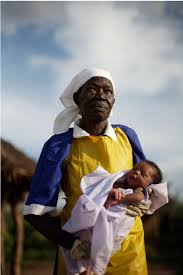
TRADITIONAL MIDWIVES (UNGUWAR ZOMA)
Skilled women who assist pregnant mothers during childbirth using indigenous knowledge. They provide prenatal care, delivery support, postnatal guidance, and advice on child care.
TRADITIONAL DYE SYSTEMS (MARINA)
Artisans who dye fabrics using natural dyes, traditionally using indigo and other plant-based materials to create cultural garments.
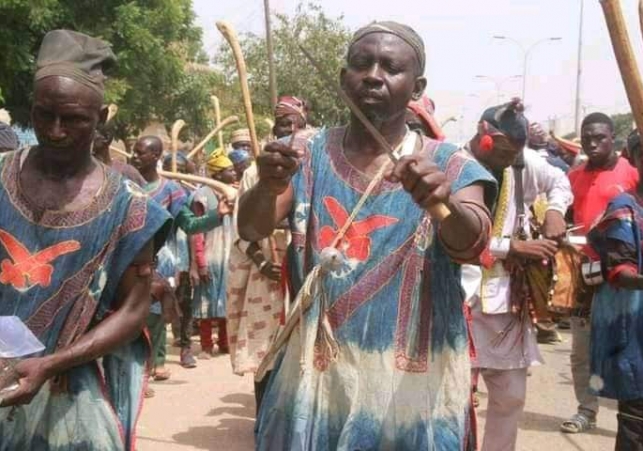
YAN TAURI
Practitioners trained in indigenous martial arts combined with spiritual fortification, preparing protective charms and performing endurance rituals.
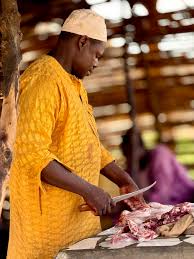
LOCAL BUTCHERY (MAHAUTA)
Butchers who slaughter animals according to cultural and Islamic guidelines, preparing and processing meat with traditional methods.
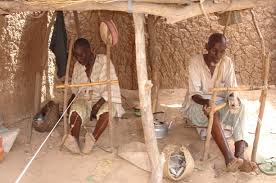
LOCAL WEAVING (MASAKA)
Craftsmen who weave mats, baskets, hats, and other items using palm fronds, reeds, and grasses, reflecting cultural patterns.
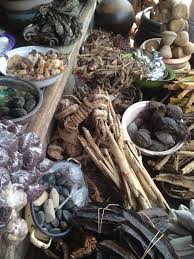
TRADITIONAL MEDICINE (MAGANIN GARGAJIYA)
Practitioners who prepare and administer herbal medicines made from plants, roots, and natural substances to treat physical, spiritual, and emotional ailments.
CLASSICAL ISLAMIC ASTRONOMY
Experts in ethnomathematics and astronomy used to calculate dates, seasons, prayer times, and cultural events.